How Fotona Laser Treatments in Encino, CA Can Refresh Your Skin
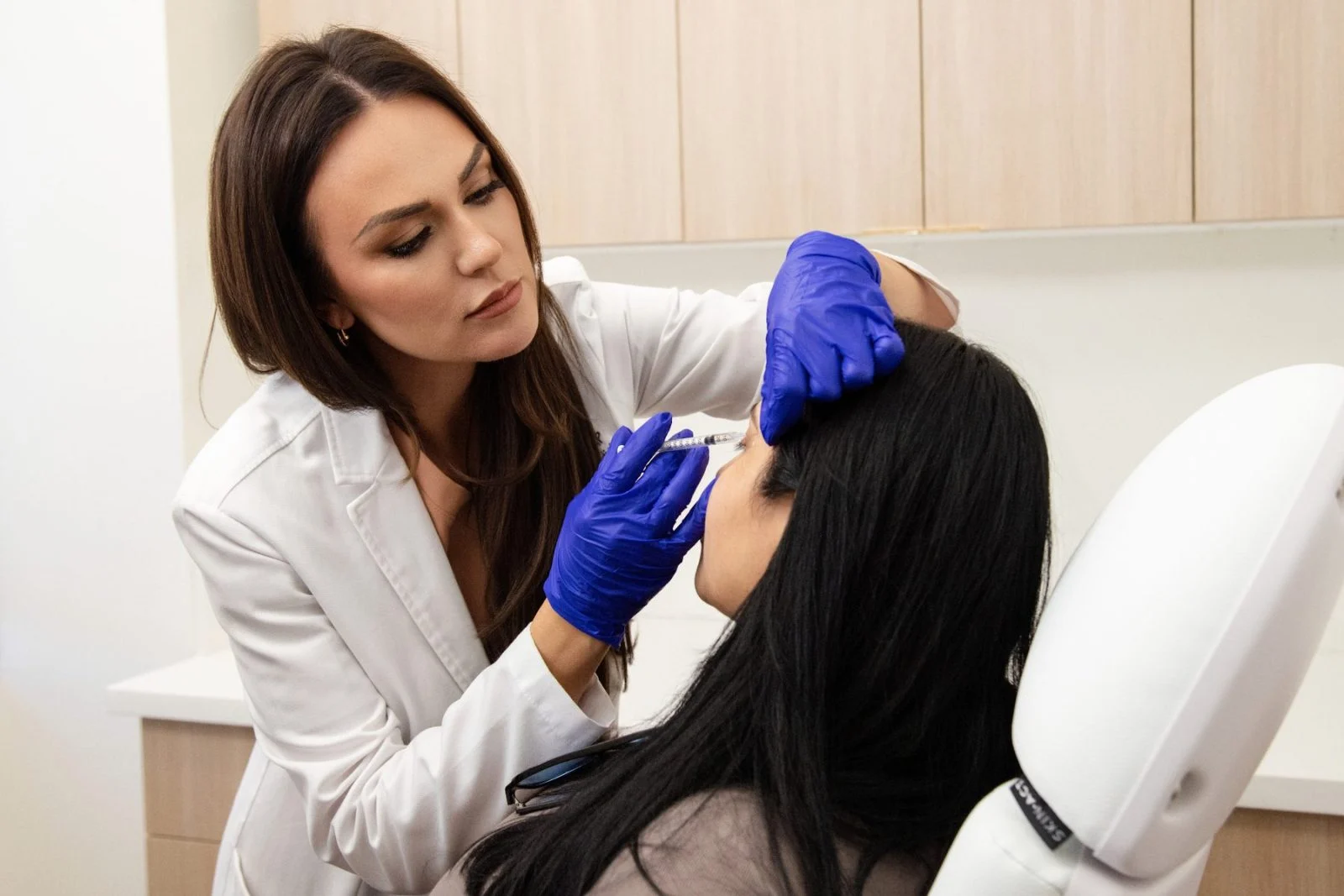
Skin rarely changes all at once. More often, it is a slow drift. A little dullness that did not used to be there. Fine lines that settle in around the eyes. Texture that feels rougher under makeup. Pores that look larger in certain light. Sun exposure from years of Southern California afternoons can make those shifts more obvious, especially in a place like Encino, where bright light tends to show everything.
That is one reason laser treatments continue to draw attention from patients who want meaningful improvement without committing to surgery. Among the more versatile options, Fotona has earned a strong reputation because it can address several concerns with one platform, from uneven tone and laxity to acne scarring and early signs of aging. For the right patient, it offers a practical middle ground between a basic facial and a more aggressive resurfacing procedure.
When people ask whether laser treatment can truly refresh the skin, the answer depends on what they mean by refresh. If they want skin that looks smoother, brighter, firmer, and better supported over time, Fotona can often help. If they expect one treatment to erase decades of sun damage or deep wrinkles overnight, that is where a more realistic conversation needs to happen. Good outcomes come from matching the technology to the skin concern, the downtime tolerance, and the condition of the skin before treatment starts.
What makes Fotona different
Fotona is not just one single treatment. It is a laser platform with different modes and wavelengths that allow providers to tailor treatment based on what the skin needs. That flexibility matters. A patient in their early thirties dealing with post-acne redness and enlarged pores needs a different approach than someone in their late fifties trying to improve laxity around the jawline or crepey texture around the mouth.
In practice, what stands out about Fotona is its range. Some settings work more superficially, helping improve tone, texture, and brightness. Others deliver deeper thermal stimulation to encourage collagen remodeling. Some protocols combine both. That combination can be especially useful because refreshed skin is not just about the surface. Skin tends to look younger and healthier when the deeper structure is also supported.
This is where a lot of confusion starts for patients researching online. They see terms like resurfacing, tightening, collagen stimulation, and rejuvenation, and assume they all refer to the same thing. They do not. Surface-focused treatments can improve pigmentation and roughness. Deeper thermal treatments can support firmness and elasticity. The better treatment plans often think in layers, addressing more than one issue over a series of sessions.
Why patients in Encino often seek treatment
Encino patients tend to come in with a familiar mix of concerns. Sun exposure is an obvious one. Even people who are diligent with sunscreen now often carry pigment changes from years when they were less careful. Brown spots, mottled tone, and diffuse redness are common. So are textural concerns, especially after acne or years of inconsistent skincare.
Another factor is lifestyle. Many people want results that are visible but not dramatic in a way that draws attention. They want to look rested, polished, and healthier, not altered. That makes non-surgical treatments appealing, especially when they can be customized around work schedules, family responsibilities, and social downtime.
There is also the reality that skin aging in Southern California can show up a little earlier than expected if prevention has been inconsistent. Daily UV exposure, heat, dehydration, and even frequent driving can contribute to pigment irregularity and collagen breakdown. A person may still look youthful overall, yet feel that their skin no longer reflects that. That is often the point when they start exploring options like Fotona Laser Treatments Encino, CA providers offer.
The kinds of skin concerns Fotona can address
One of Fotona’s strengths is that it is not limited to a single cosmetic issue. That does not mean it is the best answer for every problem, but it does mean it can be a very efficient option for people with overlapping concerns.
It is often used for patients dealing with fine lines, especially around the eyes and mouth. It can also help with dullness and rough texture, which tend to make the skin look older even before wrinkles become deep. Some patients pursue it for acne scarring, where the goal is gradual smoothing rather than perfection. Others are primarily focused on skin laxity and early sagging, particularly when they are not ready for more invasive procedures.
Pigment can also improve, though that depends on the specific type of discoloration and the treatment settings used. Freckles and sun spots may respond differently than melasma, and that distinction matters. Melasma is notoriously tricky and can sometimes worsen with heat-based treatments if not approached carefully. A thoughtful provider will not promise the same result for every type of discoloration.
For many patients, the appeal is cumulative improvement. A clearer glow after one session is nice, but the real value often shows up over time as collagen rebuilds and the skin begins to behave differently. Makeup sits better. Pores look less obvious. The skin reflects light more evenly. Those are subtle changes, but together they can shift the whole impression of the face.
How the treatment actually works on the skin
Lasers work by delivering controlled energy into targeted tissue. With Fotona, that energy can be adjusted to work at different depths depending on the concern being treated. The skin responds by initiating repair processes, which may include increased cell turnover, collagen production, and tissue remodeling.
That sounds technical, but the practical version is easier to understand. If the surface is uneven, the laser can help remove damaged layers and encourage fresher skin to emerge. If the deeper structure is loose or tired, the heat can stimulate a repair response that gradually improves firmness. The reason providers like this technology is that it can be adapted rather than forced into a one-size-fits-all treatment.
Patients often assume lasers simply burn off bad skin. That is not an accurate picture, especially for more refined modern systems. The treatment is controlled, strategic, and based on how much energy the skin can benefit from safely. The provider’s judgment matters as much as the device itself. Parameters that are too conservative may lead to underwhelming results. Too aggressive, and the risk of irritation, prolonged redness, or pigment problems rises.
What a session feels like
The experience varies depending on the settings and the treatment plan. Some Fotona sessions feel warm with brief snapping sensations, while others are more intense and may involve topical numbing beforehand. Patients often describe the treatment as tolerable, though tolerance depends a lot on the area being treated and individual sensitivity.
A lighter rejuvenation session may leave the skin flushed and warm for a day or two, similar to a mild sunburn. More intensive resurfacing can produce several days of visible redness, roughness, or peeling. This is where expectations should be set clearly before treatment, not after. Some people are perfectly comfortable with a few days of downtime if the payoff is stronger. Others want minimal disruption and are happier with a series of gentler treatments.
One thing that surprises first-time patients is that improvement does not always happen in a straight line. Right after treatment, the skin may look puffy, pink, or temporarily rough. Then it settles. Then, over the following weeks, collagen-related changes begin to emerge. The timeline matters because people sometimes judge a treatment too early.
The treatments under the Fotona umbrella
Different clinics may highlight different Fotona protocols, and that can make research confusing. Names such as 4D, SmoothEye, and resurfacing treatments may all fall under the Fotona umbrella, but they serve different purposes.
Fotona 4D, for example, is often discussed as a multi-step facial rejuvenation treatment designed to address tone, texture, and firmness in one session. It may include both intraoral and external treatment components, which sounds unusual at first but makes anatomical sense when treating areas around the mouth and lower face. SmoothEye is generally focused on the delicate eye area, where crepiness and fine lines can be difficult to treat with standard skincare alone. More ablative or resurfacing-style settings can be chosen when texture or scars are the primary concern.
This variety is useful, but it also means a consultation should go beyond the brand name. Saying you want Fotona is not enough. A provider needs to decide which protocol, which settings, and how many sessions make sense for your skin. That is where expertise shows.
Who tends to be a good candidate
A good candidate is not simply someone who wants better skin. The best candidates are people with a clear concern, realistic expectations, and skin that can tolerate the chosen treatment safely. Mild to moderate signs of aging often respond well. Early laxity, sun damage, superficial scarring, and uneven texture can all be reasonable treatment targets.
Patients who understand that results may build gradually usually do better emotionally with the process. The people happiest with laser work are often those who see it as part of an overall skin health plan rather than a one-time rescue mission.
There are also situations where caution is warranted. Active infections, compromised skin barriers, recent tanning, certain medications, and some pigment disorders can complicate treatment. Darker skin tones can absolutely be treated in many cases, but the settings and strategy need to be chosen carefully to reduce the risk of post-inflammatory hyperpigmentation. This is not the kind of procedure where it makes sense to chase a bargain without asking detailed questions.
What to ask before booking
Choosing a provider matters at least as much as choosing a device. A strong consultation should feel specific to your skin, not like a generic sales pitch. It should also leave room for the possibility that another treatment, or a combination approach, might fit better.
Here are a few useful questions to bring into that visit:
- Which Fotona protocol do you recommend for my specific concerns, and why?
- How many sessions do you expect I will need for visible improvement?
- What will downtime look like for my skin type and treatment settings?
- How do you manage risks like prolonged redness or pigmentation changes?
- What results are realistic after one session versus a full series?
Those questions quickly reveal whether the conversation is grounded in judgment or just enthusiasm.
Results, timelines, and how long they last
Most patients want to know two things right away: when will I see something, and how long will it last? The honest answer is that there are usually layers to the result. Surface brightness can show up within days to a couple of weeks. Texture improvements may become more noticeable as the skin turns over. Collagen remodeling tends to be slower, often revealing itself over several weeks to a few months.
The durability of results depends on the issue being treated, the patient’s age, sun exposure habits, skincare routine, and whether maintenance sessions are done. If a person improves pigmentation but continues to spend long hours in the sun with inconsistent protection, recurrence is likely. If someone gains firmness through collagen stimulation, that improvement will still be subject to the normal aging process. Laser treatment is not a freeze button.
That said, many patients find the result worthwhile because it changes the baseline of their skin. They are not simply maintaining the same tired texture with better lighting and makeup. They are starting from a healthier place. That can make at-home skincare more effective and reduce the need for heavier cosmetic camouflage.
Recovery tends to be easier when patients prepare well
Preparation and aftercare affect the outcome more than many people realize. Skin that goes into treatment calm, hydrated, and not recently irritated tends to recover better. Skin that has been over-exfoliated, freshly tanned, or inflamed is more unpredictable.
A sensible prep and recovery plan often includes the following:
- Pause irritating products such as strong retinoids or acids if your provider advises it.
- Avoid direct sun exposure and arrive with untanned skin.
- Use gentle, barrier-supportive skincare after treatment.
- Resist picking, scrubbing, or trying to speed peeling.
- Commit to daily sunscreen, especially during healing.
That is not glamorous advice, but it is the kind that protects your investment.
How Fotona compares with other popular options
Patients in Encino often compare Fotona with microneedling, radiofrequency treatments, chemical peels, and other laser platforms. The best choice depends on the main problem.
If the concern is very mild dullness and a tight budget, a series of chemical peels or microneedling sessions may make more sense. If the issue is more established textural damage, early laxity, or a desire for a more technologically precise treatment, Fotona may offer advantages. Compared with some aggressive resurfacing lasers, certain Fotona protocols can be more manageable in terms of downtime. Compared with gentler treatments, it may stimulate more meaningful change.
There is no universal winner because skin concerns do not present the same way. A patient with deep acne scarring may need a more specialized resurfacing approach than someone with crepey lower eyelids and mild laxity. A patient with melasma may need a cautious pigment strategy rather than a heat-heavy rejuvenation plan. Good providers spend less time defending one device and more time explaining why a particular choice fits a particular face.
Why the consultation matters so much in real life
The consultation is where the marketing language should fall away. This is where the provider looks at the skin up close, asks about healing history, checks for recent isotretinoin use or tanning, discusses skincare habits, and assesses whether your goal is actually achievable with laser alone.
A useful consultation also covers trade-offs. If you want stronger resurfacing, you may need more downtime. If you want minimal downtime, the result may take more sessions. If your skin is omniawellnesscenterencino.com Fotona Laser Treatments Encino, CA reactive, the plan may need to be more conservative. Those are not red flags. They are signs that the treatment is being individualized.
In experienced hands, Fotona can be a smart option for patients who want their skin to look fresher without looking obviously treated. The refresh often comes from multiple small improvements happening together, better texture, more even tone, softer lines, and a little more firmness. None of those changes has to be dramatic on its own to be valuable.
A realistic view of cost and value
Laser treatment is an investment, and patients deserve transparency about that. Prices vary based on the area treated, the protocol used, the expertise of the provider, and the number of sessions recommended. A simple comparison of sticker price rarely tells the whole story. One lower-cost treatment that delivers almost no visible benefit is not actually a bargain. On the other hand, the most expensive option is not automatically the most appropriate.
Value comes from fit. If Fotona addresses your concerns with a downtime profile you can manage and results that hold with maintenance, it may be worth more to you than a cheaper treatment that requires endless repetition. It is also worth weighing what you are hoping to improve. Treating diffuse dullness and fine lines may be one category of investment. Trying to overhaul severe sun damage or deep scarring is another.
When patients tend to be happiest with Fotona
The happiest patients are usually not chasing perfection. They want their skin to look more rested, smoother, and healthier. They notice the little things. Their foundation applies more evenly. Their under-eye area looks less creased. Their skin does not seem as tired by late afternoon. Friends may say they look good without being able to identify exactly why.
That kind of result is often the sweet spot for Fotona. It can create refinement rather than reinvention. For many adults in Encino balancing work, family, public-facing careers, and a preference for low-drama maintenance, that is exactly the appeal.
For anyone considering Fotona Laser Treatments Encino, CA practices provide, the smartest next step is not chasing the strongest treatment or the latest social media trend. It is booking a careful consultation, asking direct questions, and making sure the plan fits your skin rather than the other way around. When the match is right, skin can look noticeably refreshed, and still unmistakably like your own.
OMNIA Wellness Center
Address: 16430 Ventura Blvd Ste 207, Encino, CA 91436
Phone number: +18183868511
FAQ About Fotona Laser Treatments Encino, CA
What is a Fotona laser good for?
A Fotona Laser system is a versatile, dual-wavelength medical laser used primarily for non-surgical skin tightening, anti-aging rejuvenation, and dermatological treatments.
How much does the Fotona laser cost?
The cost of a Fotona laser depends heavily on whether you are looking to purchase a laser machine for a medical practice or are a patient seeking a laser treatment at a medspa.
Is a Fotona laser worth it?
A Fotona laser treatment is generally worth it if you want non-surgical skin tightening, improved texture, and collagen stimulation with very little downtime.