How Fotona 4D Laser Facial (TimeWalker) Delivers Multi-Dimensional Rejuvenation in Encino, CA
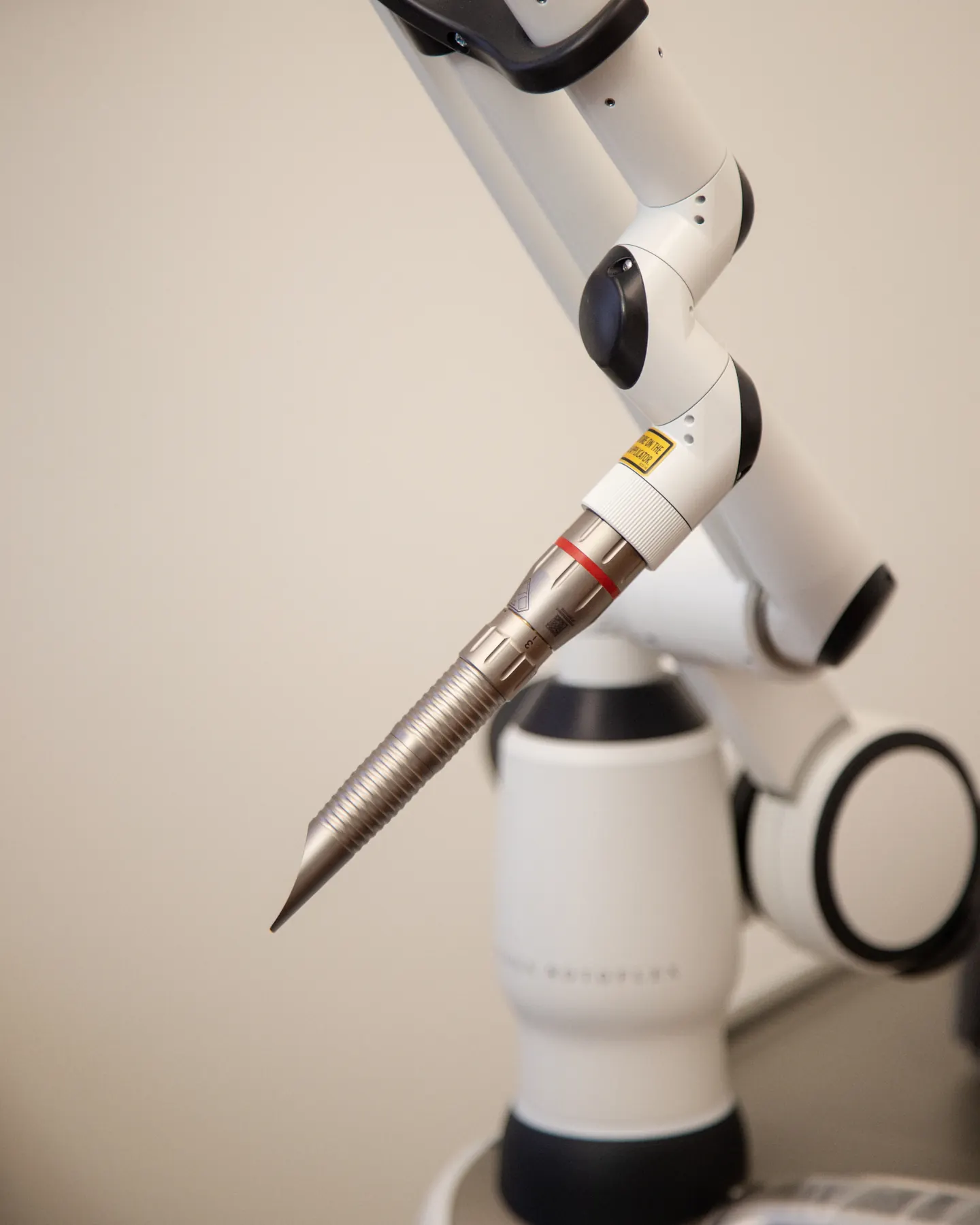
A great facial treatment does more than create a temporary glow. It changes texture, tone, firmness, and the way skin behaves under makeup, in sunlight, and at the end of a long day. That is why Fotona 4D has earned so much attention among patients who want meaningful rejuvenation without the downtime associated with more aggressive resurfacing. In practices that offer the TimeWalker platform, the appeal is even clearer. The treatment is designed to address several layers of aging at once, rather than chasing one concern at a time.
For patients considering a Fotona 4D Laser Facial (TimeWalker) in Encino, CA, the phrase “multi-dimensional rejuvenation” is not just marketing language. It describes a treatment strategy that works from the inside of the mouth outward, then across the skin’s surface, with separate laser modes chosen for specific jobs. In real clinical settings, that matters. Faces do not age in a single plane. Skin loses elasticity, pores become more visible, fine lines settle in around the Fotona 4D Laser Facial (TimeWalker) Encino, CA mouth and eyes, pigment becomes uneven, and the lower face can begin to look less supported. A treatment that approaches all of those changes in one session can produce a more cohesive result.
Why the treatment feels different from a standard laser session
Many laser procedures focus on one target. They may be excellent for pigment, or they may be better for texture, or they may create tightening through controlled heat. Fotona 4D is distinctive because it combines several non-surgical laser steps in sequence. Each step is intended to complement the next. Instead of relying on a single pass and hoping it solves every issue, the treatment builds improvement layer by layer.
One of the most interesting parts is that rejuvenation begins inside the oral cavity. That surprises many first-time patients. The intraoral component targets tissue from within the cheeks and around the perioral area, helping support regions that often show early sagging and etched lines. For patients bothered by nasolabial folds or the soft creasing above the upper lip, this is one reason the treatment feels different from surface-only facials or light-based devices.
From there, the treatment moves through additional stages that target deeper tightening, surface refinement, and controlled polishing. When the protocol is done well, the result is not the overworked look some people fear with aggressive procedures. It is usually a fresher, tighter, smoother version of the same face.
What “4D” really means on the skin
The “4D” in Fotona 4D refers to four treatment dimensions or modes, each serving a different purpose. Not every provider explains this clearly, but understanding the sequence helps patients know what they are paying for and what results are realistic.
The first dimension is the intraoral tightening phase, often called Smooth mode in Fotona terminology. It delivers controlled heat inside the mouth to stimulate collagen remodeling in tissue that supports the lower and mid face. Patients usually describe this as warm rather than painful. It is a strange sensation at first, but most tolerate it very well.
The second dimension focuses on deeper fractional treatment. This stage targets laxity and collagen renewal below the surface. It is part of what gives the treatment its firmer look over time, especially in patients who are beginning to see a mild softening along the jawline or cheeks.
The third dimension addresses more superficial imperfections. This is where concerns like uneven texture, enlarged pores, and fine lines can start to improve more visibly. In office, this is often the stage when the skin begins to look flushed, and patients feel that familiar laser warmth.
The fourth dimension provides a light resurfacing polish. Rather than the dramatic ablation associated with older, more aggressive resurfacing lasers, this step is typically gentler and designed to enhance brightness and smoothness with less recovery.
What makes this sequence effective is not any single stage by itself. It is the combined effect. A patient may see skin that looks brighter after a surface treatment alone, but if there is no tightening beneath and no support around the mouth, the improvement can feel incomplete. Fotona 4D aims to prevent that mismatch.
Why patients in Encino often ask about it
Encino patients tend to be well informed. Many have already tried medical facials, radiofrequency treatments, microneedling, injectable treatments, or lower-energy laser sessions. By the time they ask about a Fotona 4D Laser Facial (TimeWalker) in Encino, CA, they are often looking for something more comprehensive but still manageable in terms of social downtime.
That makes sense in a place where appearance matters professionally and socially, but where people also have little patience for a two-week recovery period. The San Fernando Valley climate adds another factor. Sun exposure accumulates quickly here. Even patients who are diligent with sunscreen often show a mix of early volume loss, textural roughness, and pigment irregularity that comes from years of incidental UV exposure while driving, walking the dog, playing tennis, or simply living life outdoors. A treatment that can address several of those issues at once is naturally appealing.
There is also a practical point. Patients increasingly want efficiency. They do not necessarily want four separate appointments for four mild improvements. They want a treatment plan that respects their schedule and gives visible change without asking them to disappear from work or family obligations.
What happens during a typical appointment
A proper consultation should come first. The provider should assess skin type, degree of laxity, pigment issues, active acne, medical history, and recent use of products or treatments that could make the skin more reactive. This is not a treatment that should be handed out like a generic spa service. Laser settings matter. So does patient selection.
On treatment day, the skin is cleansed thoroughly. Some practices apply a topical numbing cream, especially if the treatment will be more intensive. The intraoral step comes first in many protocols. Protective measures are used, and the handpiece is passed along the inside of the cheeks and around the mouth to deliver thermal stimulation. Patients are often surprised that this part is easier than expected.
The session then continues with the external laser stages. Depending on the provider’s approach and the patient’s goals, the treatment may emphasize tightening, texture, pore reduction, or overall refreshment. The face feels progressively warmer as the session moves along. Most people describe the discomfort as tolerable, especially with cooling intervals and a skilled operator.
Afterward, the skin is usually pink to red, similar to a moderate sun-exposure reaction. Some patients swell mildly, especially around the mouth or under the eyes. A lightly rough, dry feeling can develop over the next few days as the superficial layer renews itself. Makeup may be possible relatively soon, but timing depends on how intensive the session was.
Results tend to build, not appear all at once
This is one of the most important counseling points. Patients who expect instant transformation are often judging the treatment by the wrong timeline. There can be an early glow within days, and some mild tightening may be visible sooner, especially when swelling temporarily enhances the appearance. The more meaningful changes, however, come from collagen remodeling, and that process takes time.
In practice, many patients notice improvement over several weeks, with continued refinement over the next few months. Texture may look smoother, pores may appear softer, and the lower face can look a bit more supported. Fine lines around the mouth often improve gradually rather than dramatically overnight.
The best outcomes usually come in patients who understand this pacing. Those looking for a sculpted, filler-like correction of significant volume loss may need a combined approach. Those with severe skin laxity may still be better candidates for surgery if they want a major lift. Fotona 4D occupies a very useful middle ground. It can make the skin act younger and look tighter without incisions, but it has limits, and honest providers will say so.
The “inside-out” effect around the mouth and lower face
One area where TimeWalker protocols often stand out is the perioral region. Around the mouth, aging can be frustrating because several problems show up together. The upper lip develops fine vertical lines. The corners of the mouth begin to look a little heavier. Smile lines deepen. Surface resurfacing alone can soften the skin, but it does not fully address the tissue support underneath.
The intraoral component is the part many experienced clinicians value most for this reason. Heating tissue from inside the mouth can stimulate contraction and collagen renewal in a way that complements the outside treatment. It is not the same as filler, and it should not be presented as a substitute for all volume restoration, but it can noticeably improve the quality and tension of this area.
I have seen patients who looked “tired around the mouth” more than globally aged. They did not need dramatic intervention. They needed support, smoothing, and brightness in a region that tends to give away age early. This is exactly where a multi-dimensional protocol can outperform a one-note treatment.
Where it fits among other aesthetic options
Fotona 4D is best understood as part of a larger treatment landscape. It is not automatically better than everything else. It is better for certain goals.
If someone’s main issue is brown spots, a pigment-focused laser or intense pulsed light may be more direct. If they have rolling acne scars, a dedicated fractional resurfacing approach or a combination with microneedling may be more relevant. If their concern is deep facial volume loss, injectable restoration may create the most immediate change. And if skin laxity is advanced, surgery still provides the strongest lift.
Where Fotona 4D shines is in the patient who says, “My skin is not terrible, but I look less crisp, less smooth, less firm, and a little older than I feel.” Those are the patients who often appreciate the treatment most, because it addresses a cluster of moderate concerns in one plan.
Who usually makes a good candidate
Not every face needs this treatment, and not every skin condition should be treated the same way. Good candidacy comes down to realistic goals, skin assessment, and the provider’s experience with the device.
- Patients with mild to moderate laxity, fine lines, enlarged pores, or uneven texture often do well.
- People who want visible rejuvenation with less downtime than aggressive ablative resurfacing are common candidates.
- Men and women who are not ready for surgery, or do not need it, often find the treatment appealing.
- Patients who understand that improvement is gradual, and may require a series, tend to be happiest.
- Individuals with active infection, certain forms of skin irritation, or recent sun damage may need to postpone treatment.
A consultation should also cover melasma history, tendency toward post-inflammatory hyperpigmentation, and recent cosmetic procedures. With lasers, detail matters. The wrong timing or poor settings can turn a good technology into a disappointing experience.
What recovery actually looks like
The phrase “minimal downtime” is useful, but it can also be misleading if it is not explained. Minimal compared with deep resurfacing does not mean no downtime at all. Most patients should expect some visible redness, warmth, and dryness afterward. Depending on treatment intensity, there may be swelling for a day or two and a rough texture for several more days as the skin sheds and renews.
This is where expectations often need fine-tuning. If a patient has an important event the next morning and wants completely invisible recovery, this may not be the right week to schedule treatment. On the other hand, if they can tolerate looking a bit flushed and drier than usual for a handful of days, recovery is often quite manageable.
In Encino, I generally advise patients to think practically about heat, exercise, and sun exposure after laser work. The climate can make post-treatment care more important, especially if someone spends time outdoors or commutes frequently with sunlight hitting one side of the face through the car window. Freshly treated skin deserves caution.
Practical preparation and aftercare
A good result is not only about what happens during the session. Preparation and aftercare affect healing, comfort, and the final appearance.
- Avoid significant sun exposure before and after treatment, and use broad-spectrum sun protection consistently.
- Pause irritating skincare, such as strong retinoids or exfoliating acids, based on your provider’s instructions.
- Keep the skin clean, hydrated, and bland for several days afterward rather than experimenting with active products.
- Skip intense workouts, saunas, and excessive heat for the early recovery period if your clinician advises it.
- Report unusual swelling, prolonged irritation, or a history of cold sores before treatment so the office can guide you properly.
One common mistake is resuming a full skincare routine too quickly. Patients who use multiple actives often assume more product means faster healing. It usually means more irritation. After laser treatment, simplicity tends to win.
How many sessions are usually needed
This depends on the starting point. Some patients get a noticeable boost from a single session and then maintain periodically. Others benefit from a series spaced over several weeks. A person with early textural aging and mild laxity may be thrilled after one treatment. Someone with more entrenched lines, roughness, and photodamage may need multiple sessions to build meaningful change.
A trustworthy provider should explain what one session can realistically do and when a series makes more sense. It is better to hear, “You will probably need two or three treatments for the level of improvement you want,” than to be promised miracles after one appointment. Honest planning is one of the clearest signs of an experienced aesthetic practice.
The TimeWalker platform and why provider technique matters
TimeWalker is often discussed as if the machine itself guarantees the result. It does not. The platform matters, but so does the clinician’s eye. Laser rejuvenation is not simply pressing a button. The provider must know when to be conservative, when to treat more aggressively, how to account for skin sensitivity, and how to balance tightening with surface refinement.
This is particularly true in patients with mixed concerns. A person may have visible pores on the central face, delicate skin under the eyes, and mild laxity around the mouth. Treating all of those zones exactly the same would be poor technique. The artistry lies in adjusting the session to the face in front of you.
That is why the search for a Fotona 4D Laser Facial (TimeWalker) in Encino, CA should not stop at the device name alone. Patients should ask who performs the treatment, how often they perform it, what type of candidates they treat most commonly, and how they customize settings and session intensity. Technology is only as good as the judgment behind it.
Subtlety is often the real win
There is a persistent myth in aesthetics that the best treatment is the one people notice immediately. In many cases, the opposite is true. The best laser work often produces comments like, “You look rested,” or “Your skin looks really good lately,” rather than, “What did you have done?”
That subtlety is one of the strongest arguments for Fotona 4D. It can improve the face in a way that looks integrated. The skin appears smoother, the lower face a bit firmer, the mouth area less etched, and the overall complexion more refined. Nothing needs to look obvious for it to be effective.
For professionals, parents, public-facing individuals, and anyone who wants rejuvenation without broadcasting it, that is often exactly the point.
Questions worth asking at a consultation in Encino
Before committing to treatment, patients should have a frank discussion about goals. Are they mostly bothered by texture, mild sagging, lines around the mouth, or overall dullness? Do they want a pre-event refresh or a longer-term collagen strategy? Are they willing to do a series? Do they need combination treatment with injectables, skincare, or other devices?
The answers shape the plan. A strong consultation should also include a discussion of expected redness, timing around social events, possible need for maintenance, and whether the provider feels this treatment is truly the best fit. Sometimes the best consultation ends with a recommendation for something else. That is not a red flag. It is often a sign of good judgment.
What patients often notice first
Although every face responds a little differently, there are a few changes patients commonly mention early. Skin often feels smoother before it looks dramatically tighter. Makeup may sit better. The area around the mouth may appear a touch less creased. Pores can look softer in certain lighting. Then, over time, the face may appear subtly more lifted or refined as collagen remodeling continues.
That sequence matters because it helps patients evaluate progress realistically. If they are waiting for a dramatic single-day reveal, they may miss the smaller but meaningful improvements building week by week.
For the right patient, performed by the right provider, Fotona 4D offers something many non-surgical treatments struggle to deliver. It treats the face as a structure, not just a surface. That is the heart of multi-dimensional rejuvenation, and it is why interest in the Fotona 4D Laser Facial (TimeWalker) in Encino, CA continues to grow among patients who want more than a glow, but less than an operation.
OMNIA Wellness Center
16430 Ventura Blvd Ste 207, Encino, CA 91436
Phone: +1 818-386-8511
FAQ About Fotona 4D Laser Facial (TimeWalker) Encino, CA
What is a Fotona laser good for?
Fotona lasers support several different aesthetic protocols. The Fotona 4D facial uses two wavelengths and four treatment modes to address concerns such as fine lines, skin texture, and mild laxity. OMNIA Wellness Center offers the TimeWalker facial with an individual consultation. Suitability and likely improvement depend on the person's skin and goals; results are not guaranteed, and this treatment does not reproduce a surgical facelift.
How much does a Fotona laser treatment cost?
The cost depends on the treatment protocol, areas treated, number of sessions, and provider's assessment. Ask OMNIA Wellness Center for a current written quote that explains what is included, whether follow-up is included, and any proposed package terms. An individualized estimate is more useful than assuming that one advertised price applies to every facial treatment.
How much downtime is there after a Fotona laser procedure?
Recovery varies with the specific protocol and intensity. Fotona describes its 4D facial as having little to no downtime, but temporary redness or sensitivity can occur, and a stronger surface treatment can require more recovery. Ask the treating clinician what to expect from the planned settings, how to care for the skin afterward, and when to contact the clinic with concerns.