Fotona Laser Treatments in Encino, CA for a Brighter, More Youthful Look
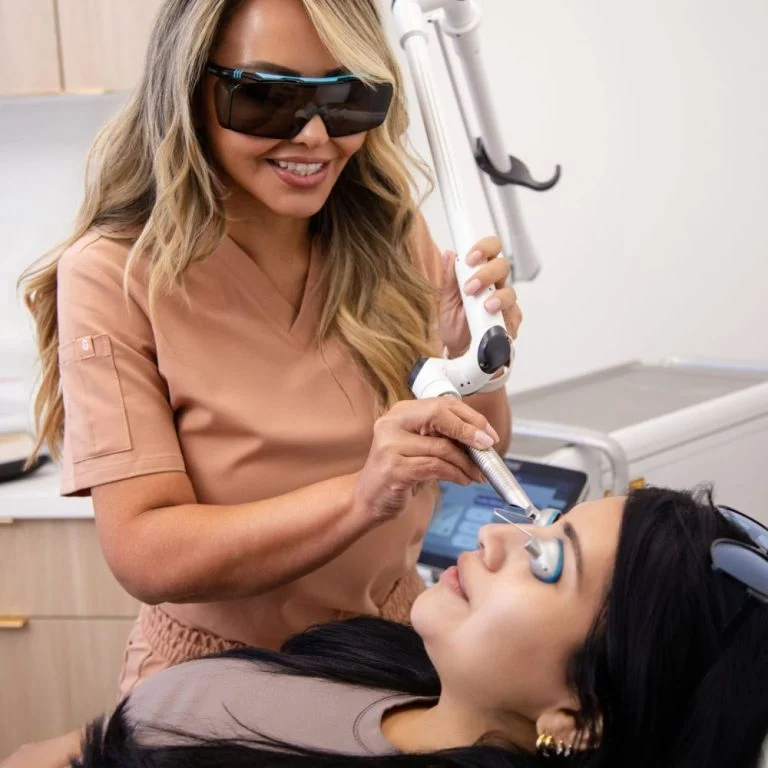
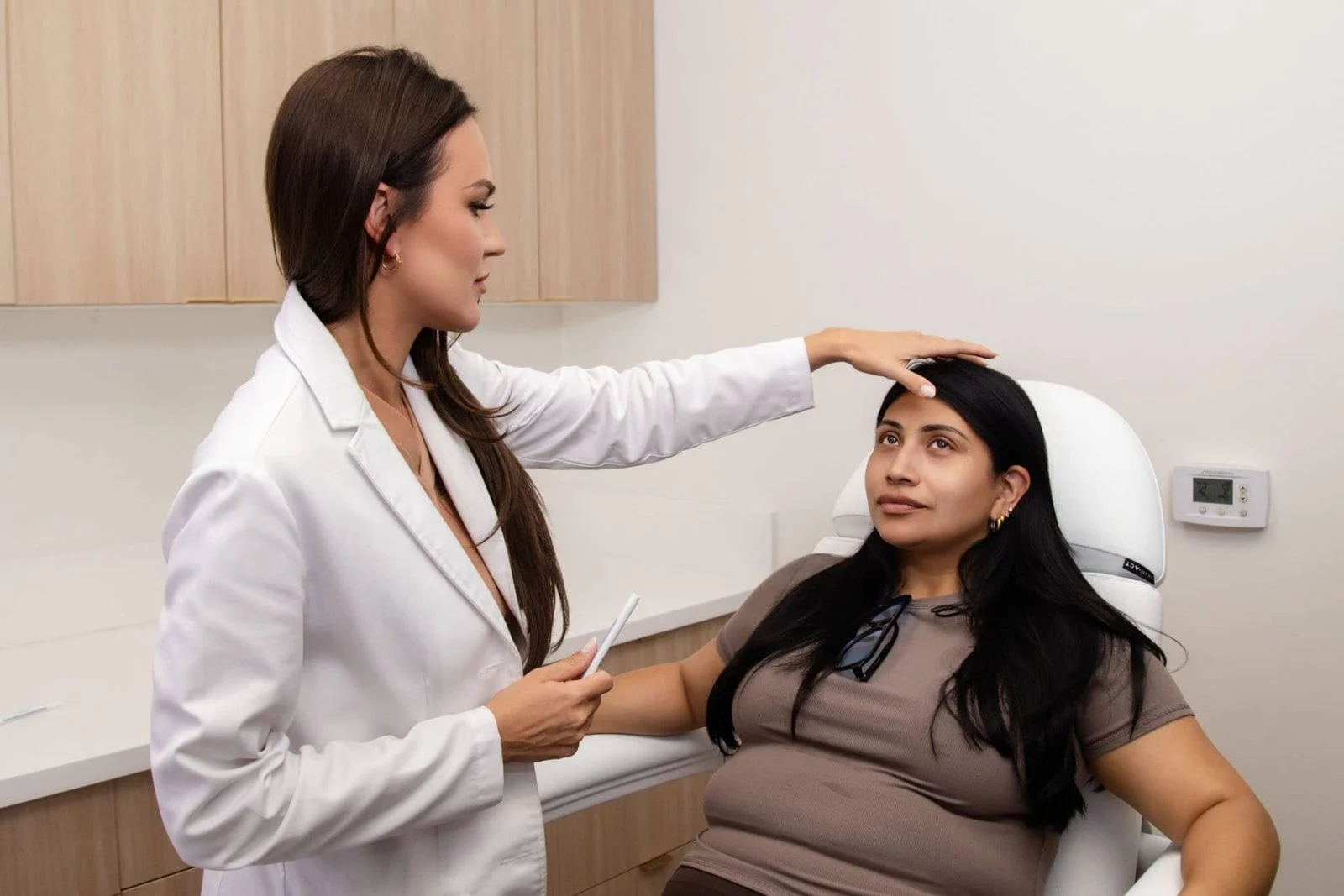
Aesthetic medicine has changed dramatically over the past decade, but one thing has not changed: patients still want results that look believable. They want fresher skin, softer lines, better tone, less laxity, and a more rested appearance without looking overdone. That is exactly why Fotona laser technology continues to draw attention in practices across Southern California, especially among patients who prefer non-surgical treatment plans with flexibility and relatively little downtime.
In Encino, where patients often balance busy professional schedules, social commitments, fitness routines, and year-round sun exposure, laser treatments are rarely about vanity alone. More often, they are about restoring skin that has been weathered by heat, UV exposure, stress, acne history, or the simple passage of time. Fotona Laser Treatments Encino, CA searches are common for a reason. People want options that can address multiple concerns without immediately jumping to surgery or aggressive resurfacing.
What makes Fotona particularly appealing is its range. This is not a one-note device used for a single skin issue. Depending on the handpiece, settings, and treatment protocol, it can target pigmentation concerns, uneven texture, acne scarring, vascular irregularities, mild laxity, and signs of aging. In experienced hands, it can also be adapted to different skin goals and tolerance levels. That matters, because no two faces age in exactly the same way.
Why Fotona stands out
The term "laser treatment" gets used broadly, sometimes too broadly. Patients often come in assuming all lasers work the same way, or that one laser session is interchangeable with another. It is not. Fotona systems are valued because they combine established laser wavelengths with treatment versatility. In plain terms, that allows a provider to tailor energy delivery more precisely to the concern being treated.
Two wavelengths are often central to Fotona platforms: Er:YAG and Nd:YAG. Each has distinct uses. The Er:YAG wavelength is known for precise resurfacing and skin renewal, while Nd:YAG can penetrate more deeply and is often used for tightening, vascular concerns, and collagen stimulation. When those capabilities are used thoughtfully, a treatment plan can be customized instead of forced into a generic template.
That difference becomes obvious during consultations. Someone in their early thirties with post-acne textural irregularities and early sun damage needs a very different strategy than someone in their fifties with laxity around the jawline, etched lines around the mouth, and dull, uneven skin. Fotona allows for that kind of differentiation. It also gives providers room to stage treatment conservatively, which many patients appreciate.
The Encino factor: skin concerns shaped by climate and lifestyle
Encino residents deal with a specific mix of environmental and lifestyle factors. The San Fernando Valley climate can be hard on skin. Strong sun, dry air, heat, and cumulative UV exposure all contribute to fine lines, discoloration, rough texture, and collagen breakdown. Even patients who wear sunscreen regularly may arrive with pigmentation issues that build slowly over years.
There is also the practical side. Many patients in this area are not eager to disappear for two weeks while recovering from a more aggressive procedure. They want something effective, but they also need treatments that can fit around work meetings, family schedules, and everyday errands. That is one reason providers often discuss Fotona when a patient wants improvement without committing to a longer recovery window.
It is also worth noting that many Southern California patients are sophisticated consumers of cosmetic care. They have often tried peels, facials, microneedling, injectables, or broad-spectrum skincare before considering laser treatment. By the time they ask about Fotona, they are often looking for the next step, something with more visible payoff and a stronger collagen-stimulating effect.
What Fotona laser treatments can address
A good consultation starts with the actual concern, not with the machine. Fotona can be used in different ways, but several issues come up repeatedly in practice. Dullness and crepey texture are common. So are fine lines around the eyes and mouth, enlarged pores, superficial acne scars, redness, and mild skin laxity. Some protocols are designed to refresh the surface. Others aim to stimulate deeper remodeling over time.
For patients focused on anti-aging, the attraction is often collagen support. Skin does not simply wrinkle because the top layer looks dry or tired. Structural support changes over time. Collagen and elastin decline, and the skin’s ability to bounce back weakens. Certain Fotona treatments are designed to create controlled thermal effects that encourage a repair response, which can lead to firmer, smoother-looking skin over a series of sessions.
For patients with acne scarring, expectations need to be calibrated. Laser treatment can improve the appearance of shallow textural irregularities and support smoother skin, but deeper tethered scars may require combination therapy. In real practice, that could mean using laser alongside subcision, microneedling, or targeted skincare. The best outcomes often come from layered planning, not from pretending one treatment can solve everything.
Pigment can be more nuanced. Some discoloration responds beautifully when the diagnosis is correct. But not all dark spots are the same, and not every case of uneven tone should be treated aggressively with heat-based technology. Melasma, in particular, requires caution. A thoughtful provider does not promise a quick fix for every brown patch on the face. That kind of judgment matters as much as the device itself.
The experience during treatment
Patients often ask what treatment actually feels like, and the answer depends on the protocol. Some Fotona treatments are quite tolerable with topical numbing and cooling measures. Others feel distinctly warm, prickly, or sharp in certain areas, especially around the mouth, nose, or bony contours. The sensation is usually brief, but discomfort levels vary by energy settings and by individual pain tolerance.
For skin revitalization sessions, many patients describe a series of warm snaps followed by a lingering heat that feels similar to a sun-exposed flush. With Fotona Laser Treatments Encino, CA more intensive resurfacing, the treatment can feel more substantial, and aftercare becomes more important. What surprises many first-time patients is that the skin often looks pink or flushed immediately afterward, rather than dramatically injured. That visual subtlety can be reassuring.
Treatment times also vary. A focused area may take less than half an hour. A broader facial treatment, especially if it involves multiple steps or wavelengths, can take longer. In a well-run office, the visit usually includes photography, skin prep, eye protection, treatment itself, and a short aftercare review. The best practices do not rush this part, because post-treatment behavior affects outcomes.
What recovery usually looks like
Downtime is one of the biggest deciding factors for patients considering Fotona Laser Treatments Encino, CA. Recovery depends entirely on the intensity of the session. A gentler treatment may leave the skin flushed and slightly warm for a day or two, with mild dryness or roughness afterward. A more aggressive resurfacing protocol can involve several days of redness, swelling, and visible skin shedding.
That distinction matters. Some patients hear "minimal downtime" and assume they can schedule an event the next day. Sometimes that is realistic. Sometimes it is not. If someone has a wedding, media appearance, or major photo session, timing should be discussed honestly in advance. A conservative estimate is far better than a disappointing surprise.
Sun protection becomes non-negotiable after treatment. Freshly treated skin is more vulnerable, and Southern California sun is rarely forgiving. Patients who do best are usually the ones who take aftercare seriously. They avoid excess heat, use gentle products, keep skin hydrated, and stay disciplined with broad-spectrum sunscreen. A laser can create opportunity for better skin, but maintenance habits protect the investment.
Results: what is realistic, and when
One of the most useful ways to think about Fotona is that it can produce both immediate and progressive improvements. Some patients notice a fresher look within days, mostly from swelling resolution, surface refinement, and improved light reflection from smoother skin. Deeper changes, particularly those tied to collagen remodeling, tend to unfold gradually over weeks to months.
That is why one session is sometimes enough for a mild refresh, but a series is usually recommended for more meaningful structural change. A patient in her forties with early cheek laxity and fine lines may see modest improvement after one treatment, then more noticeable tightening and texture enhancement after several spaced sessions. The pattern is cumulative.
It is also why photographs matter. People see their own faces every day, and subtle improvements can be hard to register. Standardized before-and-after images often show changes more clearly than a bathroom mirror does. Smoother perioral skin, brighter under-eye texture, softer nasolabial transitions, and a more even tone may develop gradually enough that friends simply say you look well-rested.
That understated result is often the goal. Most patients are not asking for a transformed identity. They want to look like themselves on a better skin day.
Good candidates and the patients who need a slower approach
Fotona can be an excellent option, but it is not for everyone at every moment. The strongest candidates are usually patients with realistic expectations, consistent skincare habits, and concerns that fit the technology well. Mild to moderate textural changes, early signs of aging, acne scars, and surface dullness often respond well when treatment settings are chosen carefully.
Some people require added caution. Recent tanning, inconsistent sun protection, active skin infection, poorly controlled inflammatory conditions, or certain medications can change the risk profile. Deeper skin tones can absolutely be treated with lasers, but that requires appropriate protocols and experienced judgment. The conversation should center on safety, not salesmanship.
There are also patients who are better served by a different modality. If someone has significant lower-face laxity or heavy jowling, a laser may improve skin quality but will not reproduce a surgical lift. If someone has volume loss as their dominant issue, filler or biostimulatory injectables might offer a more direct benefit. Skilled aesthetic care often involves saying, "This can help, but it is not the whole answer."
Questions worth asking at a consultation
A thorough consultation is less about marketing language and more about treatment planning. Patients should leave understanding what concern is being targeted, how many sessions may be needed, how recovery will look, and what limitations exist.
- Which Fotona protocol are you recommending for my specific skin concern?
- How much downtime should I realistically expect, based on the intensity you plan to use?
- How many treatments do patients like me usually need before the improvement is noticeable?
- Are there any risks related to my skin tone, history of pigmentation, or current skincare products?
- Would I benefit more from Fotona alone, or from a combination approach?
Those questions tend to separate a thoughtful consultation from a generic one. If answers stay vague, that is useful information too.
Combining Fotona with other aesthetic treatments
In practice, some of the best outcomes come from combining modalities rather than relying on a single treatment. Skin aging is layered. Pigment, texture, laxity, redness, volume loss, and dynamic wrinkles do not all respond to the same tool. Fotona can improve several dimensions of skin quality, but it may sit inside a broader plan.
For example, a patient with etched smile lines, early jowling, and rough texture may do well with Fotona for resurfacing and tightening, neuromodulators for upper-face movement lines, and perhaps targeted filler or biostimulatory treatment if volume loss is part of the picture. Another patient with acne scarring may pair laser sessions with medical-grade skincare and selective microneedling.
That combination strategy is common in established Encino practices because it respects the complexity of the face. It also allows providers to sequence treatment sensibly. Sometimes skin quality is addressed first, because healthier, calmer skin responds better to the next step. Sometimes a provider starts conservatively with laser, then reassesses after collagen remodeling has had time to develop.
Cost, value, and what patients are really paying for
Patients often want a simple price quote, but laser treatment is rarely that simple. Cost depends on the treatment area, intensity, number of sessions, the provider’s expertise, and whether the plan includes a signature multi-step protocol. There is a major difference between a quick light-refresh session and a more comprehensive resurfacing or tightening program.
Value is not just about session price. It is about appropriateness and execution. A cheaper treatment performed with a generic approach can end up being more expensive if it produces underwhelming results or requires repeated correction. On the other hand, not everyone needs the most intensive protocol. Some patients genuinely do well with lighter maintenance treatments and a Fotona Laser Treatments Encino, CA disciplined home regimen.
The most honest way to think about cost is in terms of goals. If your priority is a subtle brightening before an event, your plan may be straightforward. If your goal is softer scarring, tighter skin, and longer-term textural improvement, you are likely looking at a series and a more significant investment of both time and money.
What to do before and after treatment
Preparation is rarely glamorous, but it matters. A patient who arrives freshly tanned, dehydrated, irritated from harsh exfoliants, or using conflicting skincare products is not setting the stage for the best result. Practices typically give specific instructions, and those should be followed closely.
- Pause products your provider flags as irritating, often including certain retinoids or strong acids, for the recommended period.
- Avoid sun exposure and tanning before treatment, and show up with clean skin unless instructed otherwise.
- Use gentle cleanser, bland moisturizer, and diligent sunscreen after treatment while the skin barrier settles.
- Skip intense workouts, heavy heat exposure, and steam rooms for the time window your provider recommends.
- Report anything unusual, especially prolonged swelling, blistering, or a rash, instead of guessing at home.
These basics sound simple, but they are where many patients either protect or undermine their results.
Subtle outcomes often age better than dramatic ones
One of the reasons experienced patients gravitate toward technologies like Fotona is that the best outcomes often look quiet. The skin catches light more evenly. Makeup sits better. Pores seem less obvious. Fine lines soften enough that the face looks less tired. The overall impression is healthier, not artificially altered.
That matters in an area like Encino, where many patients want discretion. They do not necessarily want coworkers asking what they had done. They want to look polished at close range and in daylight. A good laser result tends to reveal itself that way, in texture, tone, and firmness rather than in obvious intervention.
There is also a long-game argument for collagen-focused treatments. While no non-surgical option stops aging, strategies that support skin quality over time can help patients maintain a better baseline. That often means fewer desperate interventions later. Regular maintenance, good sunscreen habits, and carefully selected treatments usually outperform sporadic aggressive fixes.
Choosing the right provider in Encino
The device matters, but the person operating it matters more. Laser settings are not one-size-fits-all. Skin type, treatment history, current barrier health, degree of laxity, and risk of post-inflammatory pigmentation all influence planning. A strong provider evaluates these details rather than moving every patient through the same protocol.
During consultation, look for specificity. A good clinician can explain why a given Fotona treatment is appropriate, where improvement is likely, where limitations exist, and what trade-offs come with stronger settings. They should also be willing to say when another treatment would serve you better. That kind of restraint is usually a sign of experience.
In a market crowded with aesthetic messaging, clear judgment stands out. So does thoughtful follow-up. The best practices do not disappear after the laser is finished. They guide aftercare, check healing when appropriate, and adjust future sessions based on how your skin actually responds rather than how a brochure says it should.
For patients considering Fotona Laser Treatments Encino, CA, that individualized approach is often the difference between a merely pleasant experience and a truly worthwhile one. Brighter, smoother, more youthful-looking skin is possible, but the best results are rarely accidental. They come from matching the right technology to the right skin, at the right intensity, with the right expectations. When that alignment is there, laser treatment can be a very practical way to refresh the face without sacrificing what makes it your own.
OMNIA Wellness Center
Address: 16430 Ventura Blvd Ste 207, Encino, CA 91436
Phone number: +18183868511
FAQ About Fotona Laser Treatments Encino, CA
What is a Fotona laser good for?
A Fotona Laser system is a versatile, dual-wavelength medical laser used primarily for non-surgical skin tightening, anti-aging rejuvenation, and dermatological treatments.
How much does the Fotona laser cost?
The cost of a Fotona laser depends heavily on whether you are looking to purchase a laser machine for a medical practice or are a patient seeking a laser treatment at a medspa.
Is a Fotona laser worth it?
A Fotona laser treatment is generally worth it if you want non-surgical skin tightening, improved texture, and collagen stimulation with very little downtime.