Fotona Laser Treatments Encino, CA: Everything First-Time Patients Should Know

If you are looking into Fotona laser treatments in Encino, CA, chances are you are not searching for a vague promise. You want to know what the treatment actually feels like, what it can realistically improve, how much downtime to expect, and whether it makes sense for your skin, goals, and schedule.
That is the right mindset.
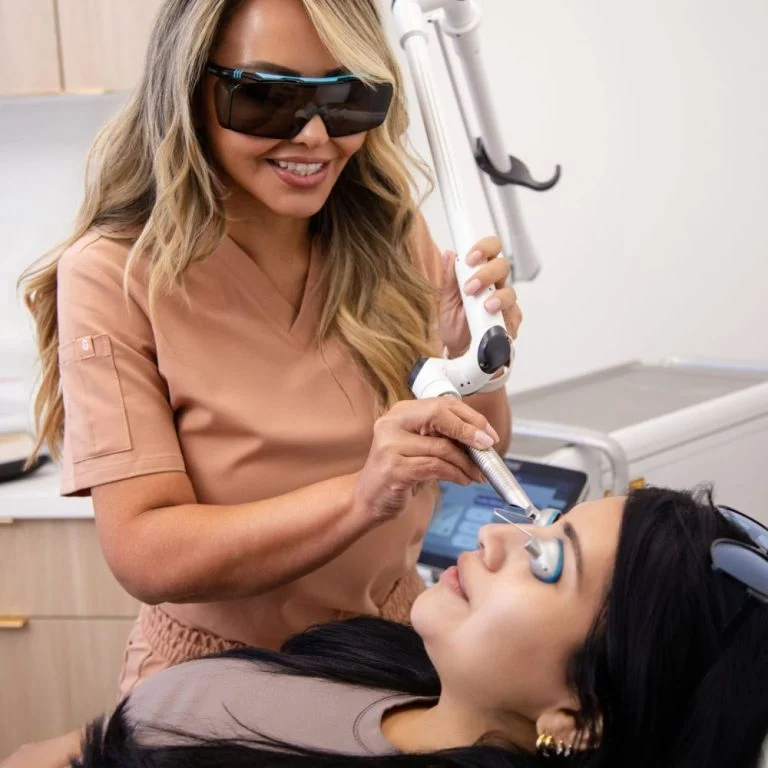
Laser treatments can be excellent tools, but they are still tools. Results depend on the platform, the settings, the provider’s judgment, the condition being treated, and your willingness to follow aftercare. Fotona has earned a strong reputation because it is versatile. It is used for skin resurfacing, collagen stimulation, acne scar revision, pigment concerns, vascular issues, hair removal in some settings, and a range of tightening procedures, including popular treatments around the face and neck. Some offices also use Fotona platforms for intraoral tightening and specialty procedures that target tissue remodeling in a different way than traditional resurfacing.
For first-time patients, that flexibility is both a strength and a source of confusion. “Fotona” is not one single treatment. It is a laser platform with different modes, handpieces, and protocols. Two people can say they had Fotona and mean entirely different experiences.
That is why the first consultation matters more than most people realize.
What Fotona actually is, and why people ask for it by name
Fotona is a medical laser system known for using erbium:YAG and Nd:YAG wavelengths, sometimes separately and sometimes in combination. You do not need to memorize the physics, but it helps to understand the broad distinction. One wavelength is often favored for more superficial skin work and precise resurfacing, while the other can reach deeper and support collagen remodeling, vascular targeting, and tightening. In practice, that means a provider can customize treatment intensity and depth instead of forcing every patient into the same formula.
That customization is a major reason patients seek out Fotona laser treatments in Encino, CA. In a place where people are often balancing visible results with social and professional downtime, a platform that can range from lighter refresh sessions to more assertive resurfacing has obvious appeal.
A patient preparing for a wedding in six weeks may want brighter skin and a tighter look with minimal recovery. Someone bothered by long-standing acne scarring may accept several days of redness or peeling in exchange for more noticeable texture improvement. Those are different goals, and they usually require different settings and treatment plans.
A good provider will explain that clearly rather than selling the machine as if it does one magic thing.
The concerns Fotona is commonly used to treat
Most first-time patients arrive with one problem in mind, but experienced practices usually evaluate the whole picture. Fine lines are often tied to texture changes. Pigment may sit beside redness. Skin laxity can make pores and creasing more noticeable. Treating only one visible issue can leave patients feeling underwhelmed, even if the treatment technically worked.
Fotona is commonly used in aesthetic practices for concerns such as sun damage, uneven texture, enlarged pores, dullness, superficial lines, certain acne scars, and mild to moderate laxity. Some protocols are designed to improve the skin surface. Others focus more on heating deeper tissues to stimulate collagen over time. Some combine both.
This is where first-time patients often need a reset in expectations. A treatment that brightens tone may not dramatically tighten loose skin. A treatment that tightens may not erase deeper etched lines. Acne scars, especially rolling or tethered scars, often respond best to a combination approach rather than one laser session alone. If your provider talks honestly about these trade-offs, that is usually a good sign.
Why Encino patients often choose laser over more aggressive options
Encino patients are often looking for a middle ground. They want improvement that is visible, but they do not necessarily want a full surgical recovery or the maintenance cycle of temporary quick fixes every few months. That makes devices like Fotona appealing. It can fit into a broader aesthetic plan without pushing every patient toward the most invasive path.
There is also a practical side. The San Fernando Valley gets plenty of sun, and years of incidental sun exposure show up as pigmentation, roughness, and loss of skin clarity. Many people are not trying to look dramatically different. They simply want their skin to look fresher, tighter, and more even. In experienced hands, laser treatments can be very effective for that sort of goal.
Still, the local climate cuts both ways. Sun exposure after treatment can complicate healing and increase the risk of pigment issues, especially in patients with medium to deeper skin tones. If you are planning a treatment during a period when you will be outdoors often, your timing may need adjustment.
What a first consultation should cover
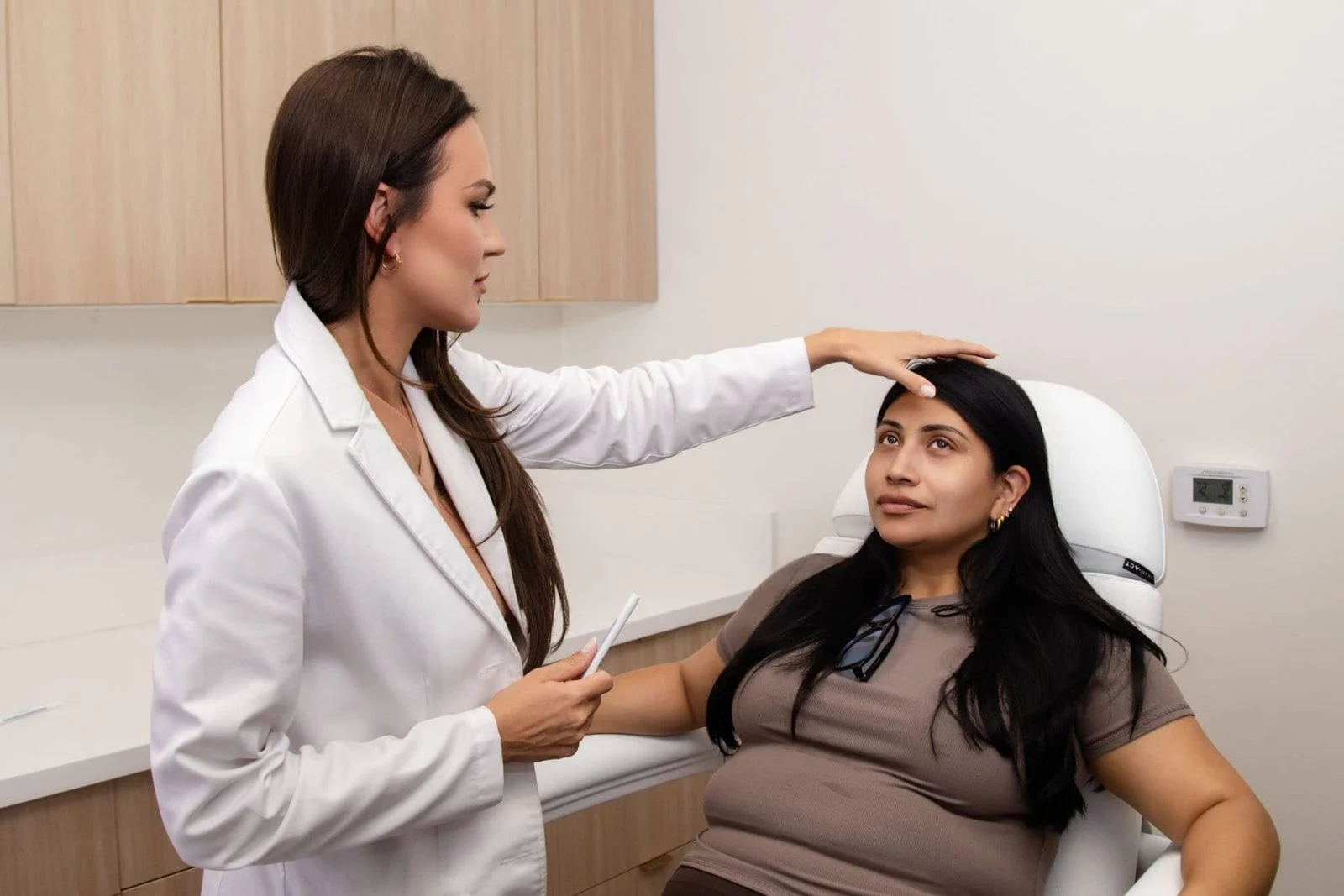
A proper consultation is not a five-minute sales pitch. It should include a review of your skin history, any past procedures, medications, tendency toward hyperpigmentation, history of cold sores, current skincare products, and how much downtime you can realistically tolerate.
This is especially important for first-timers because people tend to underestimate either the recovery or the patience required. Some come in expecting one treatment to fix several years of accumulated sun damage and texture change. Others are so worried about downtime that they choose a treatment too mild to meet their goals. The consultation is where those mismatches get corrected.
Your provider should also examine your skin in person, ideally in good lighting, and explain what is likely to improve quickly versus what tends to change gradually. Collagen stimulation is not instant. Surface smoothing can be faster. Pigment can darken before it flakes away. Tightening often unfolds over weeks or months.
If a provider cannot Fotona Laser Treatments Encino, CA explain what they are treating and why a specific Fotona protocol fits, keep looking.
The treatments most people hear about first
Many patients come across names like SmoothEye, LipLase, NightLase, 4D, or resurfacing treatments and assume they are interchangeable. They are not. Some are designed for tightening delicate tissue around the eyes. Some target the lips for subtle plumping and smoothing. Some involve treatment inside the mouth to support collagen contraction and facial tightening from a different angle. Others are classic resurfacing approaches focused on skin texture and renewal.
The practical takeaway is simple: ask less about the brand name of the treatment and more about the goal, depth, expected recovery, and likely result.
A patient with crepey lower eyelids, for example, may be thrilled with a tightening-focused protocol but disappointed if they expected that same treatment to erase dark circles caused by volume loss or visible vessels. Lasers are powerful, but they do not override anatomy.
What treatment day usually feels like
For first-time patients, the sensory experience is often the biggest unknown. Depending on the settings and the treatment area, Fotona can feel warm, prickly, snappy, or like quick pulses of heat. Some lighter treatments are very tolerable with minimal preparation. More intensive resurfacing may involve topical numbing and a longer appointment.
Many patients expect pain to be the main challenge, but that is not always the case. The actual treatment may be easier than anticipated, while the heat afterward can feel more annoying than the procedure itself. Think of it less like severe pain and more like a strong sun-warmed sensation, especially in the first few hours if resurfacing is involved.
If a provider says a stronger treatment is “completely painless,” I would be cautious. Comfort can be managed well, but honesty matters. Mild discomfort is normal. The better question is whether that discomfort is appropriate for the result you are pursuing.
Recovery is where expectations usually break down
This is the part patients most often misunderstand.
There is no single Fotona recovery timeline. A lighter collagen-stimulating session may leave you pink for a day or two. A more aggressive resurfacing treatment can involve several days of redness, swelling, dryness, bronzing, or peeling. The skin may look rough before it looks smooth. Makeup timing varies. Exercise restrictions can apply for at least a short window. Sun avoidance is non-negotiable.
What surprises first-time patients is that “downtime” does not always mean you are bedridden or in pain. More often, it means you look visibly treated. If you have a public-facing job, frequent meetings, or social events, that distinction matters.
Here is a realistic way to think about it. If you choose a stronger setting because you want a more noticeable result, you are usually trading convenience for impact. Not always, but often. There is no shame in preferring a gentler plan with more sessions. The mistake is pretending a no-downtime treatment will deliver the same endpoint as a more assertive one.
Who tends to be happiest with Fotona
The best candidates are usually people with specific, realistic goals and a little patience. They understand that skin quality improves in layers. They are willing to protect their skin after treatment. They are not chasing perfection, and they are open to the idea that a series may work better than a one-and-done approach.
Patients who do well often share a few traits:
- They can describe the issue that bothers them most, whether that is texture, fine lines, acne scarring, laxity, or dullness.
- They have enough schedule flexibility to allow for possible redness, swelling, or flaking.
- They use sunscreen consistently, especially after treatment.
- They understand that deeper scars, significant laxity, or advanced aging may require combination therapy.
- They want improvement that looks natural rather than abrupt or overdone.
That list may sound obvious, but it filters out a lot of disappointment before it starts.
Skin tone matters, and so does provider experience
One of the most important parts of laser treatment planning is skin type. Patients with fair skin are not the only appropriate candidates for Fotona, but deeper or more reactive skin tones often require more careful parameter selection, more conservative treatment plans, and clear counseling about pigment risk.
Post-inflammatory hyperpigmentation is not rare in susceptible patients, especially if the skin is treated too aggressively or exposed to heat and sun during recovery. That does not mean patients with darker skin cannot have laser treatment. It means they need a provider who knows when to modify settings, when to pretreat, when to pause active skincare, and when a different device or approach may be safer.
This is one area where experience shows. Skilled practitioners do not just know how to operate the handpiece. They know when not to treat, when to delay, and when a patient’s goals would be better served by another modality entirely.
How many sessions you may need
This depends on the concern, the intensity of each session, and how your skin responds. Mild brightening and texture refresh treatments may be done as a series. Tightening protocols often work best over multiple visits. More assertive resurfacing may produce larger changes per session, but even then, deeper issues like acne scars or etched lines usually improve gradually rather than disappear.
A fair consultation often sounds less dramatic than marketing copy. You might hear that fine texture and dullness can improve relatively quickly, while scar remodeling may take several sessions and several months to judge properly. That is not a weak answer. It is usually the truthful one.
Be wary of anyone promising a dramatic fix in one treatment for concerns that are typically stubborn, especially deep scars or significant laxity.
Cost is not just about the session price
Patients often compare laser quotes the way they compare salon services. That can be misleading. A lower price does not automatically mean better value if the treatment is too weak to achieve your goals. On the other hand, an expensive package is not automatically superior if the office has not clearly explained what is included and why.
The real cost includes consultation quality, provider skill, number of sessions likely needed, aftercare support, and whether the treatment plan is actually matched to your concern. Some offices charge more because the treatment is performed by a highly experienced physician or because the protocol is more customized and involved. Sometimes that premium is justified. Sometimes it is mostly branding.
For first-time patients exploring Fotona laser treatments in Encino, CA, ask for clarity rather than chasing the cheapest number. You want to know what the quoted price covers, how many sessions are recommended, who performs the treatment, and what the realistic endpoint looks like.
Questions worth asking before you book
A strong consultation should answer most of these without prompting, but it is still smart to ask directly.
- What specific Fotona protocol are you recommending for my concern, and why?
- How much downtime should I plan for in real life, not just the ideal case?
- How many sessions do patients like me usually need to see meaningful improvement?
- What risks matter most for my skin tone and history?
- Who will perform the treatment, and how often do they treat this exact concern?
These questions tend to reveal whether you are dealing with a thoughtful medical aesthetic practice or a generic sales process.
Preparing well can make the experience smoother
The days before treatment matter more than many patients expect. Your provider may ask you to stop retinoids, exfoliating acids, or other potentially irritating products for a period of time. If you have a history of cold sores and the treatment area is near the mouth, preventive medication may be appropriate. If you are tan, sunburned, or dealing with an active breakout or rash, treatment may need to be postponed.
Good preparation also includes calendar planning. If you have a wedding, media appearance, family photos, or an important work event, do not squeeze laser treatment into the wrong week. Give yourself margin. Skin does not always read the instruction sheet.
One patient I remember had booked a resurfacing-style treatment eight days before a milestone birthday dinner, convinced that a week was plenty of time. Technically, healing was on track. Practically, she still looked pinker and drier than she wanted in restaurant lighting. She was not harmed, but she would have been happier with better timing.
That kind of disappointment is preventable.
Aftercare is not optional housekeeping
Aftercare is part of the treatment. For resurfacing or stronger tightening sessions, your skin barrier may be temporarily compromised. Gentle cleansing, moisture support, sun protection, and avoiding unnecessary heat or irritation are basic requirements, not suggestions. Picking at flaking skin, resuming active products too soon, or spending a weekend outdoors without careful protection can sabotage results and increase complications.
The first few days are often a patience test. Skin can look dry, textured, or uneven before it turns the corner. Patients who panic and start layering random products from home are often the ones who create extra irritation. Follow the plan you were given, and if something seems off, call the office instead of improvising.
When Fotona may not be your best option
This deserves a direct answer because not every patient is a laser patient.
If your main issue is significant skin laxity, especially in the lower face or neck, a non-surgical tightening protocol may help somewhat, but it may not match what surgery can accomplish. If your concerns are mostly volume loss, hollowing, or deep folds caused by structural change, injectables or other approaches may address the root issue more effectively. If you have melasma, active inflammation, or a strong tendency toward post-treatment pigment changes, laser may need careful modification or may not be the first choice.
Likewise, if you want dramatic results with no downtime and one treatment only, the fit may simply be poor. The best providers are comfortable saying that.
How to tell whether an office is the right fit
Look beyond the device name. A well-run office should photograph consistently, discuss risks without evasion, review your medical and skin history carefully, and set realistic milestones. They should not pressure you into the strongest treatment on day one just because it sounds impressive.
You also want to sense judgment. Not just enthusiasm, judgment.
That can show up in small ways. A provider who says, “I’d rather start conservatively because your skin is reactive,” may be protecting your outcome. A provider who recommends waiting until after a beach vacation instead of squeezing you into the schedule is likely thinking long term. Those are good signs.
Patients often spend a lot of time evaluating machines and not enough time evaluating decision-making. The machine matters. The person using it matters more.
The result most first-time patients should aim for
The healthiest expectation is not a transformed face after one appointment. It is skin that looks clearer, smoother, tighter, or more refreshed in a way Fotona Laser Treatments Encino, CA that still looks like you. The best laser results are often noticed first by the patient, then by other people who say you look rested or polished without immediately knowing why.
That subtlety is a strength.
For the right patient, Fotona can be an excellent option. It offers flexibility, solid treatment range, and the potential for meaningful improvement when used thoughtfully. But first-time patients do best when they approach it as a medical aesthetic treatment, not a trendy add-on service.
If you are considering Fotona laser treatments in Encino, CA, focus less on hype and more on fit. Ask what is being treated, how it is being treated, what recovery really looks like, and what a successful outcome would mean for your face, your skin, and your daily life. That is how you make a smart first decision, and usually, how you get the result you were hoping for in the first place.
OMNIA Wellness Center
Address: 16430 Ventura Blvd Ste 207, Encino, CA 91436
Phone number: +18183868511
FAQ About Fotona Laser Treatments Encino, CA
What is a Fotona laser good for?
A Fotona Laser system is a versatile, dual-wavelength medical laser used primarily for non-surgical skin tightening, anti-aging rejuvenation, and dermatological treatments.
How much does the Fotona laser cost?
The cost of a Fotona laser depends heavily on whether you are looking to purchase a laser machine for a medical practice or are a patient seeking a laser treatment at a medspa.
Is a Fotona laser worth it?
A Fotona laser treatment is generally worth it if you want non-surgical skin tightening, improved texture, and collagen stimulation with very little downtime.